
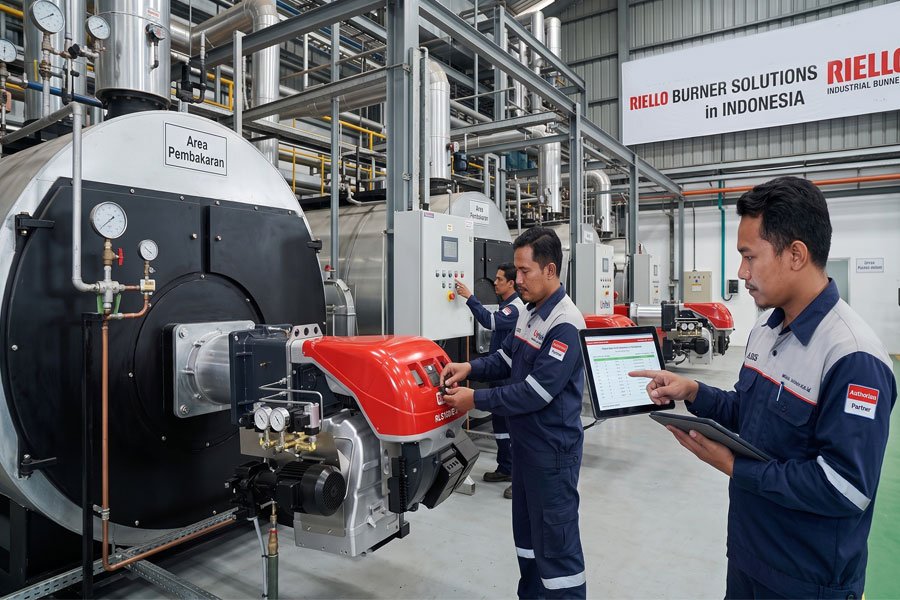
In the complex landscape of modern industrial manufacturing, the precision of thermal processes remains a cornerstone of operational efficiency and product quality. Whether in the textile industry, food processing, or large-scale civil heating, the ability to manage combustion with high reliability is paramount. For businesses operating within the Indonesian archipelago, the integration of advanced combustion technology is not merely an operational choice but a strategic necessity. PT Unitek Standarindo Engineering serves as the authorized distributor for Riello Burner Indonesia, providing critical engineering solutions that bridge the gap between global technological innovation and local industrial requirements.
The history of combustion technology is deeply rooted in the necessity for efficiency during times of economic transition. Riello, founded by Pilade Riello in 1922 in Legnago, Italy, began its journey by adapting domestic light oil burners for use in bakers’ ovens during the post-World War I economic crisis. This spirit of innovation has propelled the company to become a global leader in burner production, with a presence in over 60 countries. Today, the partnership between international expertise and local technical support in Indonesia ensures that industries can access high-performance equipment designed to meet the rigorous demands of modern thermal energy management.
The Science of Combustion and Efficiency
At the heart of any industrial boiler or thermal oil generator lies the combustion system. The efficiency of this system is governed by the precise control of the air-fuel ratio. In advanced industrial applications, such as those utilizing the FGR burner platform, electronic air-fuel ratio control is employed to ensure optimal combustion. This technology is vital for minimizing pollutants and maximizing thermal output.
By utilizing modulating burners, operators can maintain a high η across a wide range of thermal demands, which is essential for large-scale civil heating plants and industrial processes.
The environmental impact of combustion is a primary concern for modern industry. The development of low-NOx and ultra-low-NOx burners represents a significant advancement in sustainable engineering. For instance, the low-NOx combustion head allows for nitrogen oxide emissions to be reduced to ≤80 mg/kWh without Flue Gas Recirculation (FGR), and further reduced to ≤50 mg/kWh with 10% FGR. This level of precision is critical for industries aiming to comply with increasingly stringent environmental regulations while maintaining high production standards.
Industrial Applications in Indonesia
The industrial sector in Indonesia requires robust and flexible solutions. PT Unitek Standarindo Engineering provides specialized support for various sectors, including food chemicals and the textile industry, where thermal demand is both high and variable. The ability to match burners with hot water boilers, steam generators, and thermal oil generators allows for a modular approach to system design.
Furthermore, the shift toward sustainability has led to the development of “Hydrogen ready” burners. As the global energy landscape transitions toward cleaner fuels, the ability to adapt existing infrastructure to hydrogen-blended fuels is a key advantage for long-term capital investment. This forward-thinking approach ensures that industrial facilities in Indonesia are not only efficient today but are also prepared for the energy requirements of the future.
The Importance of System Integration and Maintenance
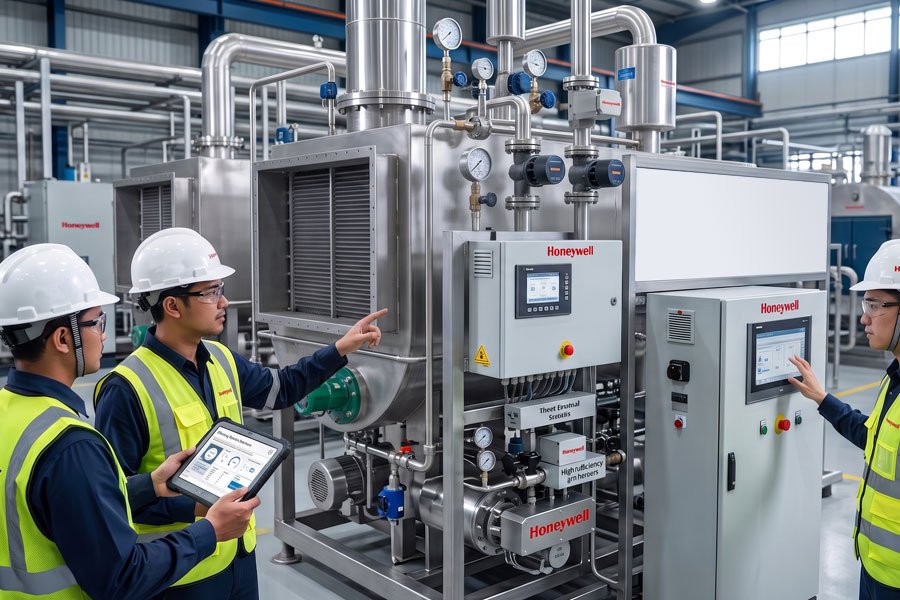
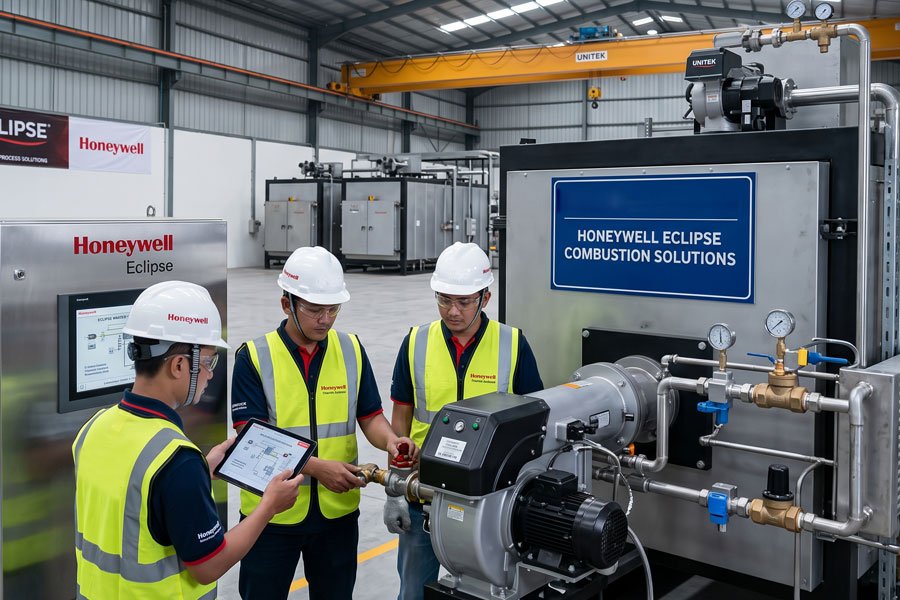
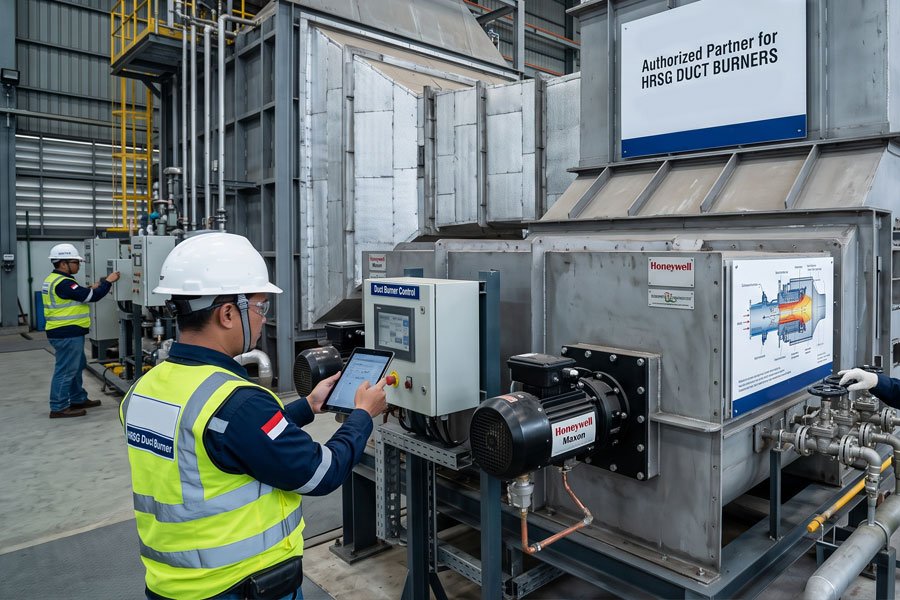
The success of any industrial installation depends on more than just the hardware; it relies on the integration of the burner with the wider system, including the gas train, control panel, and fan. Professional system integration ensures that all components operate in harmony, reducing the risk of downtime and mechanical failure.
Communication and transparency are vital in this process. As noted by industry experts, the role of an authorized distributor extends beyond the initial sale to encompass the entire lifecycle of the equipment. This includes customized machining, fabrication, and ongoing technical support, which are essential for maintaining the precision required in high-power applications.
Engineering Standards and Best Practices
In the context of engineering research and industrial application, adhering to established standards is crucial. Scientific articles and technical documentation emphasize the importance of rigorous methodology in system design and analysis. Whether it is modeling the heat transfer in a furnace or optimizing the combustion process, the use of validated data and established engineering principles—provides the necessary foundation for reliable performance.
For engineers and facility managers in Indonesia, the combination of high-quality equipment from global leaders like Riello and the localized expertise of firms like PT Unitek Standarindo Engineering creates a reliable ecosystem for industrial growth. By prioritizing quality, precision, and innovation, Indonesian industries can continue to compete effectively in the global market while meeting the challenges of energy efficiency and environmental stewardship.
Conclusion
The evolution of burner technology from the early 20th-century bread ovens to the sophisticated, hydrogen-ready, low-NOx systems of today highlights the continuous pursuit of thermal efficiency. For the Indonesian industrial sector, the availability of these advanced systems through authorized channels ensures that local businesses can leverage global advancements to improve their own operational outcomes. As industries continue to evolve, the focus on integrated, sustainable, and high-precision combustion solutions will remain a defining factor in industrial success.
 Indonesian
  English