
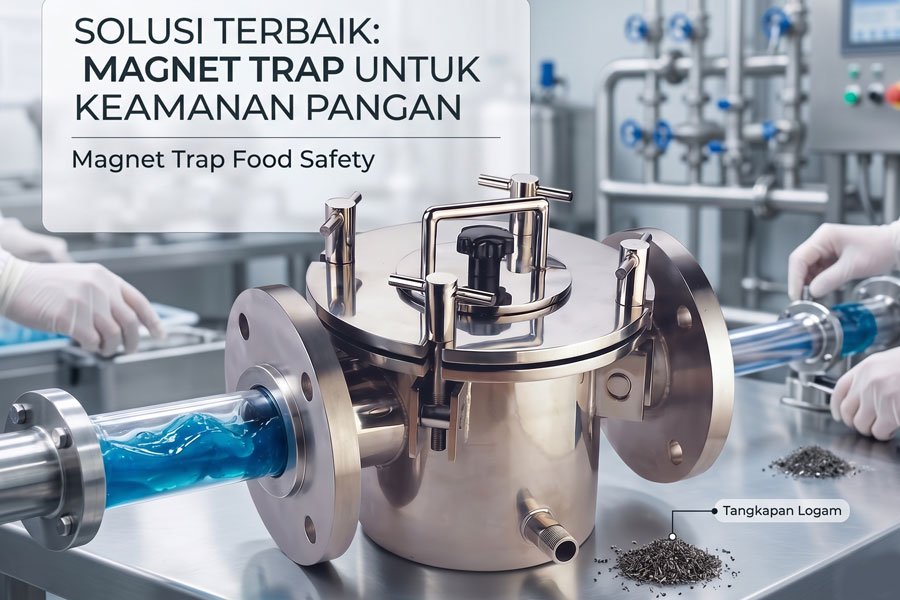
In the contemporary food processing landscape, the assurance of product purity is not merely a operational goal but a fundamental mandate for public health and corporate integrity. As global food supply chains become increasingly complex, the risk of physical contamination—specifically from ferrous metal fragments—poses a significant threat to both consumer safety and brand reputation. Among the various technological interventions available to mitigate these risks, the implementation of magnet trap food safety systems stands out as a primary, highly effective defense mechanism.
The necessity for rigorous contamination control is underscored by the potential for severe physical injury to consumers and the catastrophic impact of product recalls on a manufacturer’s market standing. Ferrous contaminants can enter the production stream through various vectors, including the natural wear and tear of machinery, the catastrophic failure of equipment components, or even the introduction of impurities within raw materials. By integrating magnetic separators at critical control points, manufacturers can systematically extract these hazardous metallic particles before they reach the final product, thereby aligning their operations with stringent international food safety standards, such as those mandated by the Hazard Analysis and Critical Control Points framework.
The Mechanics and Strategic Application of Magnet Traps
At its core, a magnet trap operates on the principle of magnetic attraction, utilizing high-intensity magnetic fields to capture ferrous debris from liquid or dry food streams.
By optimizing the geometry and placement of these magnets, engineers can ensure that even microscopic metal fragments are captured, preventing them from proceeding further down the production line.
The strategic placement of these traps is essential. They are most effective when installed immediately following raw material intake—such as in the processing of grains, milk powder, or chocolate—and prior to critical processing stages like grinding or mixing. This proactive positioning serves a dual purpose: it ensures the purity of the final product and protects sensitive downstream machinery from mechanical damage caused by metal-on-metal contact, which can lead to costly downtime and expensive repairs.
Regulatory Compliance and Operational Efficiency
Maintaining compliance with food safety regulations is a multifaceted challenge that requires constant vigilance. Regulatory bodies, including the FDA and various international food safety agencies, emphasize the importance of preventative measures in the production environment. The use of magnet traps provides a verifiable, non-destructive method for metal detection and removal, which is a cornerstone of modern quality assurance programs. Regular inspections and the systematic maintenance of these magnetic separators are critical to ensuring that they continue to operate within the required safety parameters.
Beyond the immediate safety benefits, the implementation of magnet traps significantly enhances operational efficiency. Unlike manual quality control checks, which are labor-intensive and prone to human error, magnetic separators function continuously with minimal intervention. This automation allows manufacturers to streamline their production processes, reduce the frequency of manual inspections, and ensure that every batch of product meets the highest quality standards. This, in turn, fosters a culture of excellence and reliability, which is essential for maintaining a competitive edge in the global food market.
Protecting Brand Reputation through Technological Integration
In an era where consumer awareness regarding food safety is at an all-time high, the reputation of a food brand is its most valuable asset. A single incident involving metal contamination can lead to negative publicity, a loss of consumer trust, and potential legal ramifications that can threaten the long-term viability of a business. By investing in advanced magnet trap food safety solutions, manufacturers demonstrate a proactive commitment to consumer welfare. This commitment not only mitigates risk but also serves as a powerful differentiator in a crowded marketplace, building long-term customer loyalty and trust.
The integration of these systems is often part of a broader, data-driven approach to food safety. As noted in recent academic research, the evolution of food safety policy has increasingly focused on the systematic identification and mitigation of risks throughout the entire supply chain. By utilizing technologies like magnetic separation alongside advanced data management and traceability systems, companies can create a robust, transparent, and highly secure production environment that is resilient against the challenges of the modern food industry.
For businesses seeking to optimize their operations, companies like Unitek have emerged as key partners, providing customized magnetic separation solutions that are tailored to the specific needs of the food and beverage industry. With decades of experience in fabrication and system integration, such specialized providers ensure that magnet trap systems are not only installed correctly but are also optimized for the specific flow characteristics and material properties of the food products being processed.
In conclusion, the adoption of magnet trap technology is an indispensable component of a comprehensive food safety strategy. By effectively eliminating ferrous metal contaminants, protecting processing equipment, ensuring regulatory compliance, and enhancing overall production efficiency, these systems provide a foundation for the safe and sustainable production of food. As the industry continues to evolve, the reliance on such proven, high-performance technologies will remain a critical factor in the success and safety of food manufacturers worldwide.
 Indonesian
  English