
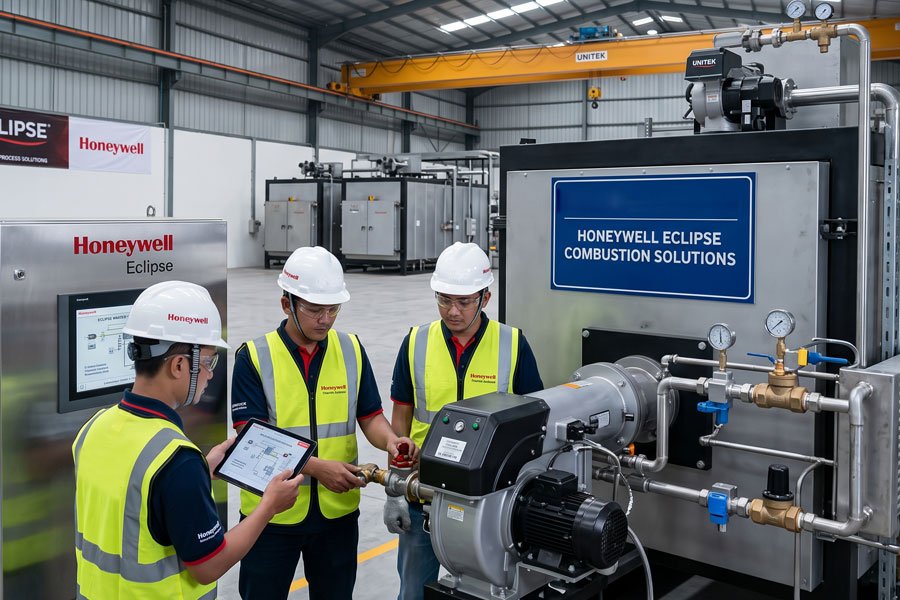
The industrial landscape of Indonesia is currently undergoing a transformative phase, driven by the dual imperatives of rapid economic growth and the urgent need for sustainable, energy-efficient operations. As the nation pivots toward Industry 4.0, the integration of advanced thermal management systems has become a cornerstone of competitive manufacturing. Among the most critical technologies facilitating this transition is the Honeywell Eclipse line of combustion solutions, which provides the precision, safety, and efficiency required for modern industrial processes.
For businesses operating in sectors ranging from food processing and petrochemicals to power generation, the choice of combustion technology is not merely a matter of operational preference but a strategic decision that impacts long-term profitability and environmental compliance. Honeywell’s thermal solutions, particularly the Eclipse series, are engineered to optimize fuel combustion, thereby minimizing waste and reducing operational costs. In an era where energy prices are volatile and regulatory scrutiny on emissions is intensifying, the ability to achieve high energy efficiency through advanced burner construction is a significant advantage for Indonesian enterprises.
The Technological Edge of Honeywell Eclipse
The Honeywell Eclipse series represents the pinnacle of burner technology, designed to handle the complex requirements of high-temperature industrial heating. These systems are renowned for their versatility, offering precise temperature control that is essential for industries where product quality is dependent on thermal consistency.
Honeywell Eclipse systems are designed to maximize this ratio by reducing heat loss through flue gases and incomplete combustion.
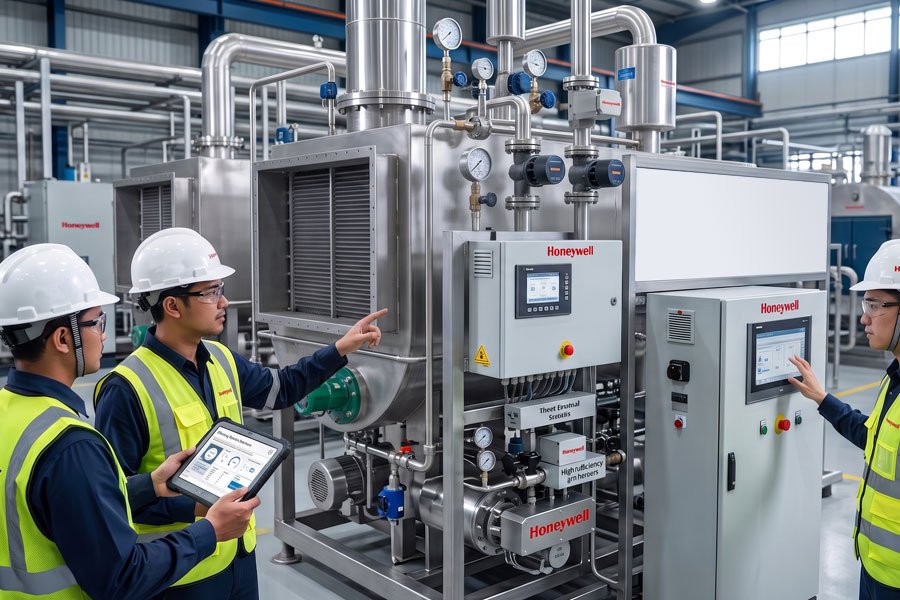
Furthermore, the integration of smart technology allows these systems to interface with digital monitoring platforms. This connectivity enables real-time tracking of performance metrics, allowing operators to make adjustments that prevent human error and ensure seamless operation across large-scale facilities. In the context of Indonesia’s industrial growth, this level of automation is vital for maintaining the reliability of production lines and reducing the frequency of maintenance-related downtime.
Safety and Sustainability in Industrial Operations
Safety is the paramount concern in any industrial setting involving combustion. Honeywell Eclipse solutions are equipped with advanced monitoring and safety mechanisms designed to detect and mitigate risks such as gas leaks, overheating, and fire hazards. These features provide the peace of mind necessary for industries like petrochemicals, where precision and safety are non-negotiable.
Beyond safety, environmental sustainability has become a critical metric for success. As Indonesia works toward its ambitious energy goals—including the addition of nearly 43 gigawatts of renewable energy capacity by 2034—the industrial sector is under pressure to reduce its carbon footprint. Honeywell’s commitment to low-NOx (nitrogen oxide) burners and hydrogen-ready combustion technology aligns perfectly with these national objectives. By optimizing fuel consumption and reducing harmful emissions, companies utilizing Honeywell Eclipse technology are not only meeting environmental regulations but are also contributing to a cleaner, healthier ecosystem for the Indonesian population.
Strategic Implementation and Local Expertise
The successful deployment of advanced thermal solutions requires more than just high-quality hardware; it requires expert integration and local support. For over 30 years, organizations such as Unitek have served as trusted partners in Indonesia, specializing in the installation and maintenance of combustion burner solutions, including the Honeywell Eclipse series. With dedicated workshops and technical expertise, these local partners ensure that the technology is customized to the specific needs of Indonesian industries, whether they are located in major industrial hubs or remote areas.
The collaboration between global technology leaders like Honeywell and local academic institutions, such as the Universitas Indonesia, further strengthens the ecosystem. By launching smart, connected control labs, Honeywell is empowering the next generation of building automation and process engineers to master the latest in controls technology. This investment in human capital ensures that the workforce is ready to manage the sophisticated systems that will define the future of Indonesian industry.
Navigating the Energy Transition
Indonesia’s journey toward a more secure energy future is complex, involving a mix of traditional industrial processes and the integration of renewable energy sources. While the country continues to rely on industrial output for economic stability, the shift toward energy-efficient practices is undeniable. The use of Honeywell Eclipse burners in manufacturing and power generation represents a practical step toward this transition. By reducing energy intensity, industries can lower their demand on the national grid, contributing to overall grid stability and reliability.
Moreover, the financial aspect of this transition is being addressed through innovative mechanisms, including blended finance approaches that combine public and private investment to support green projects. As businesses look to upgrade their thermal systems, the return on investment provided by the durability and energy efficiency of Honeywell technology makes it a compelling choice for long-term operational success.
Conclusion
The adoption of Honeywell Eclipse technology in Indonesia is a testament to the country’s commitment to industrial excellence and sustainable development. By prioritizing high energy efficiency, advanced safety features, and smart technology integration, Indonesian businesses can navigate the challenges of a changing global energy landscape. With the support of experienced local partners and a growing pool of technically proficient engineers, the future of industrial combustion in Indonesia is poised to be more efficient, safer, and environmentally responsible than ever before.
 Indonesian
  English